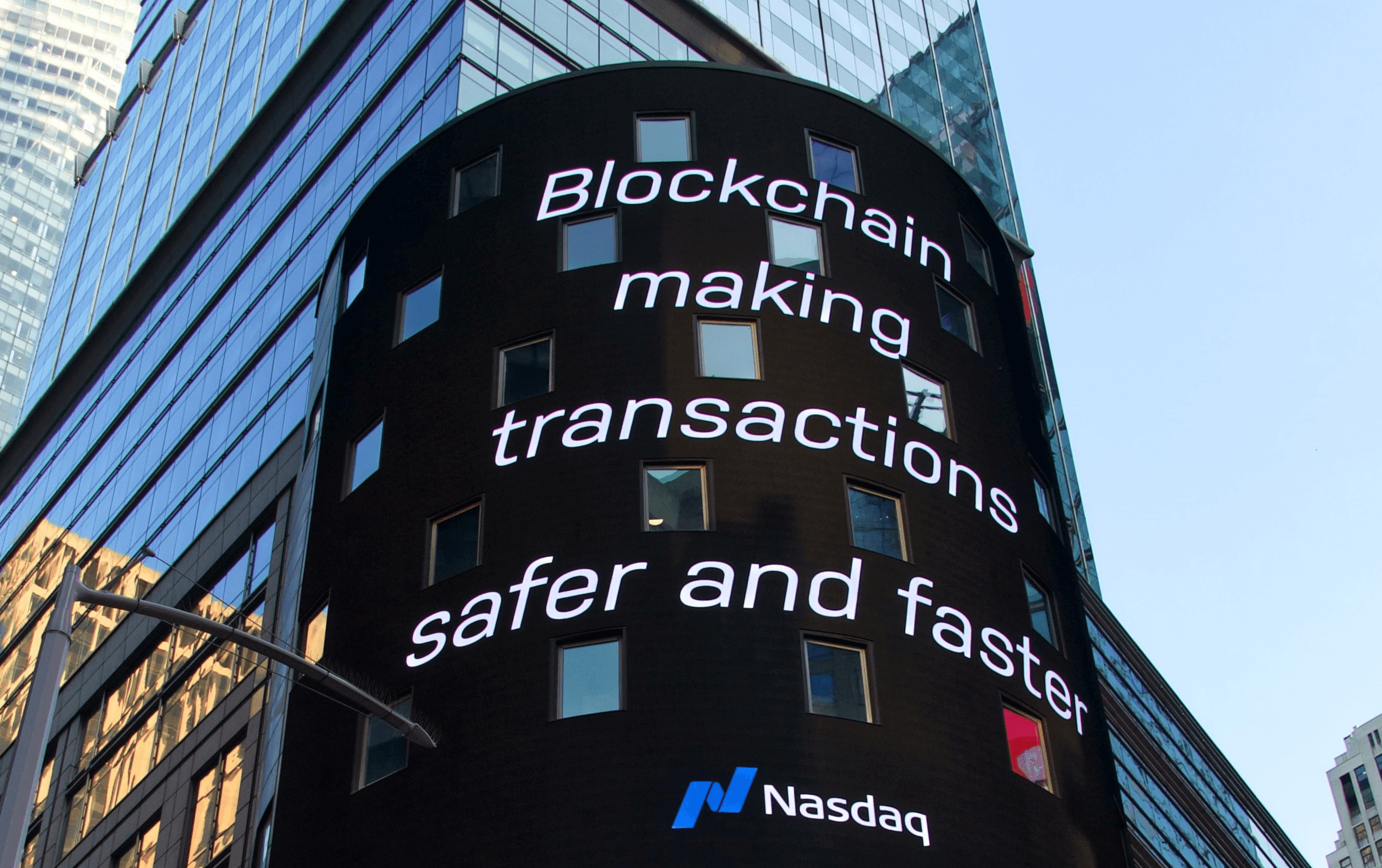
Where distributed ledgers may help
Cross-border payments can involve multiple institutions, operating hours, messaging systems, foreign-exchange steps, and reconciliation. Shared ledger technology may reduce some handoffs or improve the visibility of a payment between participating institutions.
The benefit depends on the design. A faster ledger does not automatically make access, foreign exchange, funding, payout, or customer support faster.
What blockchain does not remove
Public cryptoassets can also introduce price volatility that is separate from the underlying transfer. Stable-value arrangements reduce one kind of volatility only if their design, reserves, redemption, and legal framework work as expected.
- Identity, sanctions, anti-money-laundering, and other compliance obligations.
- The need to convert between currencies and manage liquidity.
- The recipient’s need for usable local money or an accepted account or wallet.
- Operational, cybersecurity, governance, and recovery risks.
- Consumer disclosures, error handling, and legal responsibility.
Judge the user outcome
For a sender, the relevant outcome remains the total cost, recipient amount, delivery reliability, accessibility, and recourse if something goes wrong. Infrastructure labels are less important than those results.
The Financial Stability Board’s cross-border payments work treats legal, regulatory, data, operating-hour, and payment-system improvements as connected challenges. That broader view is more realistic than assuming one technology will replace the entire remittance process.
Different blockchain models solve different problems
A permissioned ledger shared by regulated institutions is different from a public blockchain using a volatile cryptoasset. A tokenized bank liability is different from an unbacked asset, and a stable-value token still depends on its issuer, reserves, redemption process, and legal treatment. Grouping all of these designs under one label obscures their risks and benefits.
A system can move a digital asset quickly while the sender or recipient still waits for funding, compliance review, foreign-exchange conversion, or withdrawal into local currency. End-to-end time and cost matter more than the speed of one technical step.
Questions to ask about a blockchain remittance service
These questions do not assume that blockchain is good or bad. They identify whether the design produces a better, accessible, and accountable payment for the people using it.
- What asset is transferred, and who bears exchange-rate or token-price risk?
- How does the recipient convert or redeem it into usable local currency?
- Which regulated entities perform identity checks, custody, conversion, and payout?
- What happens after an error, fraud claim, lost credential, or service outage?
- Are the stated cost and speed measured end to end?
Sources
Learn how RemitLow researches and updates content in our editorial policy.